Repainting an HOA or Condo Building: What the Board Should Expect
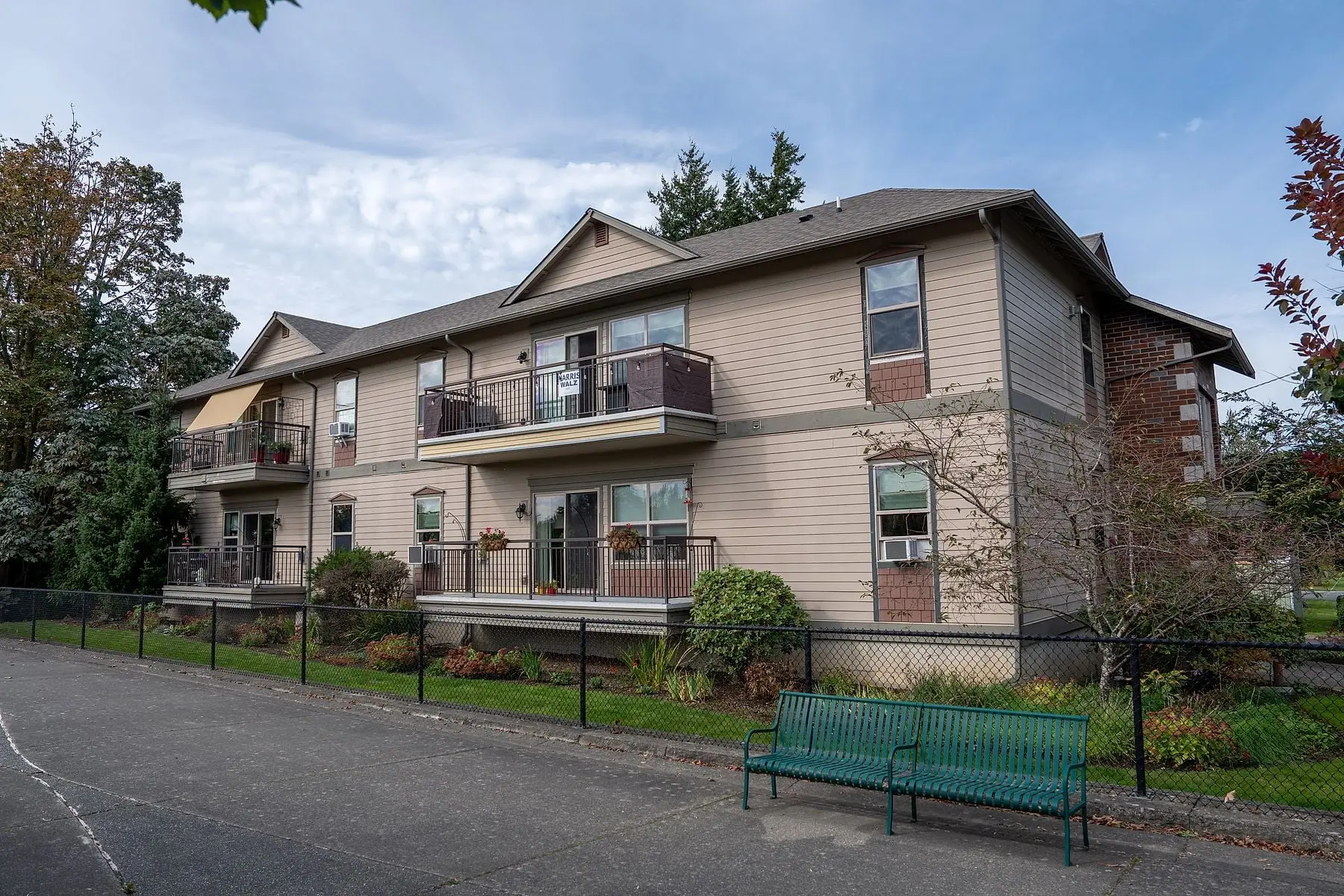
Painting a multi-family building is not a big version of painting a house. The paint is the easy part. What makes an HOA or condo project succeed is everything around the paint: sequencing, notices, repairs handled without drama, and records the association can actually use later. We’ve done enough commercial painting around Whatcom County (condo buildings, HOA facilities, a four-townhome row) to describe what the board should expect from a crew that does this properly.
The Walkthrough Decides Everything
A multi-family bid built from the parking lot is a guess with a dollar sign on it. The real walkthrough goes elevation by elevation looking for the things that become change orders later: trim boards going soft, railings starting to rust, caulk joints that have pulled loose, siding sections that need more than paint.
On one Ferndale HOA building, that walkthrough turned up 18 boards of trim that needed replacing. Because it was found up front, the carpentry went into the proposal, the board approved it once, and the project ran without a single mid-job surprise. That’s the standard to hold your bids to: if a proposal has no repair line items on an older building, the walkthrough probably wasn’t thorough enough.
Residents Stay. The Project Moves Around Them.
Every building we’ve painted stayed fully occupied the whole time. That’s non-negotiable for most associations, and it’s completely workable. What makes it work:
- Phasing by elevation. One face of the building at a time, so no one’s unit is wrapped in masking for more than a day or two.
- Notices before each phase. Residents hear when their windows will be masked and when to pull planters and patio furniture back. On our projects the notices are handled for the board, not dumped on it.
- Predictable hours and a clean site. Crews work the same posted hours daily, and walkways, entries, and parking stay open. At a condo building we painted above Bellingham Bay, keeping the entries and the steep drive clear was half the logistics of the job.
Metal Is Its Own Trade
Condo buildings usually carry metal the way houses don’t: railings, stair stringers, privacy fences. Painting metal like it’s wood is how you get peeling in a season. It gets cleaned, sanded to bright where rust has started, primed with a rust-inhibiting alkyd primer, and only then top-coated. At one Bellingham condominium, thirty window trims were the headline scope, but the railings and privacy fence, done with the full metal process, are the part that will still look right in year five.
What the Board Should Have When It’s Over
The project isn’t finished when the last wall is coated. The association should end up holding:
- The complete color and product record for every surface (body, trim, doors, metal) so future touch-ups and repairs match without detective work
- Warranty terms in writing, and clarity on what workmanship coverage means
- A final walkthrough with the board or manager, with punch-list items fixed before sign-off, not promised for later
Five years from now there will be a different board and maybe a different management company. The color record is what keeps them from repainting a whole wall because nobody knew what was on it.
If your association has a repaint coming into next year’s budget, fall is the right time to get the walkthrough done. The scope and numbers will be real by the time the board votes, and you’ll be at the front of the spring schedule instead of the back.
Common Questions